The StoneCreek Infrastructure Blog
Field notes, architecture deep-dives, and practical guidance on enterprise storage, data protection, and infrastructure - written by the engineers who build it.

Changing the Engine Mid-Flight
Retiring an old storage array gets a lot harder when the servers involved boot straight from SAN. Here's how Hitachi's Universal Volume Manager lets you virtualize the old array behind the new one, cut hosts over in minutes, and migrate the data quietly in the background.
.png)
The Server Nobody Wants to Touch
Every enterprise has that one server nobody will touch — end-of-life OS, vanished vendor, and a reboot history scary enough to keep it out of every patch cycle. This post looks at why these systems accumulate, why "leave it alone" is an illusion that AI-accelerated attacks are dismantling fast, and what actually works: airlocked networks and load balancers to buy time, third-party support to extend the runway, and ultimately a migration approach built on clones, isolated testing, and rollback plans — so getting off the legacy box becomes routine instead of a sev 1 in waiting.
Been There Done That
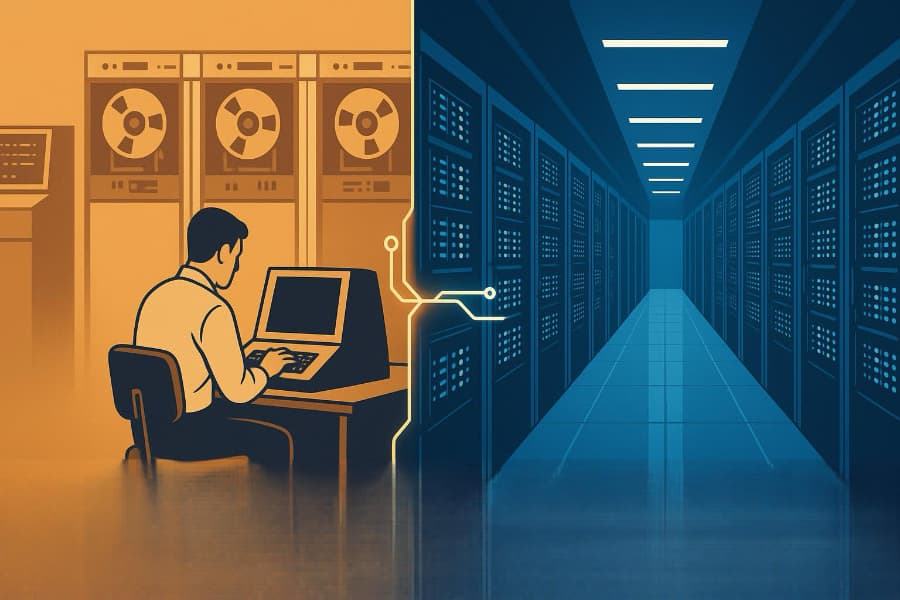
I told an AI assistant "I love what you do, but you're expensive." Then I remembered we've literally done this before — with mainframes. Here's what 60 years of renting compute teaches us about AI pricing.

Why StoneCreek
StoneCreek Technologies is a Marietta, GA-based multi-vendor enterprise IT solutions provider founded by practitioners with 25+ years of hands-on experience. Specializing in enterprise storage, data protection, cloud adoption, and professional services, StoneCreek differentiates itself from large VARs by delivering senior technical talent and direct accountability across every engagement. As certified partners for 14 leading vendors — including Hitachi Vantara, Pure Storage, NetApp, Veeam, and Commvault — and with operations in both the US and UK, StoneCreek brings the right solution for each customer's environment, not the easiest one to sell.

Digital Twins are a Game Changer
Snapshots and replication get you data protection. CyberVR gets you usable recovery — and usable test, validation, and compliance capability along with it. The vendor-agnostic design means it protects the investment you've already made in your storage infrastructure, regardless of whose hardware fills the rack.